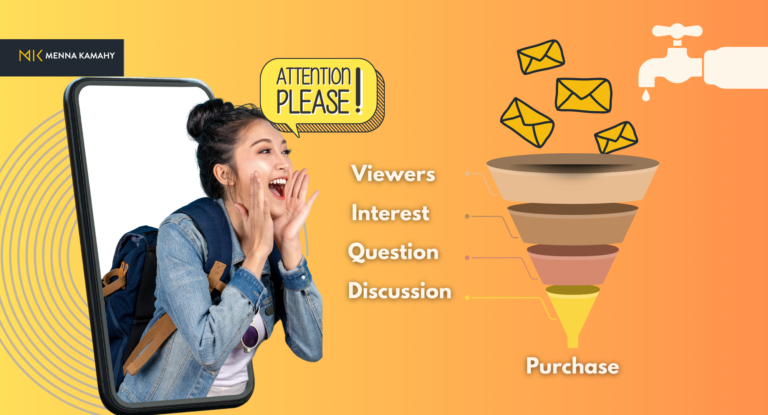
Social media is vital for businesses to connect with their audience and grow their brand. But having a presence on social media is not enough. To unlock its power, businesses need to master the art of content marketing.
In this article, we’ll look at marketing on social media and ways to strengthen your brand. We will help you create content that your audience will like and share. It doesn’t matter if you’re experienced or new to marketing.
First and foremost, we will start with the basics. The main concept behind social media content marketing. Why is one the most important marketing pillars, how to improve, and what tools to use to perfect your operations?
Are you ready to take your social media content marketing to the next level? Join us as we unveil the secrets to success in this dynamic and ever-evolving digital realm.
Understanding Social Media Content Marketing
Social media content marketing involves creating and sharing valuable content on social media to promote your service or product. Yet, social media content marketing is not like traditional marketing. It doesn’t focus on direct sales, instead, it focuses on awareness, reach, and building a community. To use social media for marketing, you need to understand each platform and adjust your content. It’s important to research and find out which platforms are most relevant to your audience and niche before you dedicate yourself to it. Each platform has different demographics, user behaviors, and content formats.
The Importance of Social Media Content Marketing
Social media content marketing offers several key benefits for businesses. Firstly, it provides an opportunity to humanize your brand and connect with your audience on a personal level. This takes place through sharing valuable and relatable content that builds trust and establishes yourself as an authority in your industry.
Secondly, social media content marketing enables you to spike your brand visibility and reach a wider audience. With billions of people using social media platforms, you have the potential to engage with users from all around the world. By creating content that is shareable and encourages users to tag their friends, you can extend your reach and attract new customers.
Identifying Your Target Audience and Their Preferences
To have a successful social media content marketing strategy, it’s crucial to know your target audience. To begin, analyze your current customers and identify key details like age, gender, location, and interests. You may also create an avatar for your desired customers and conduct your research to enhance your data. This can be done through customer surveys, data analysis, or even by studying your competitors’ audience.
Moreover, social media platforms offer audience insights. These insights help you understand your content’s impact and target the right people. Once you have a clear understanding of your target audience, you can tailor your content to meet their preferences and needs.
Creating High-Quality and Engaging Content for Social Media
Once you have a clear understanding of your audience, you can begin to develop content that resonates with them. Consider their preferences in terms of content format, tone of voice, and topics of interest. By aligning your content with their preferences, you will increase the likelihood of engagement and sharing.
If you want to reach a younger audience, try making visually interesting content. Share videos or infographics on Instagram or TikTok. However, if your audience is professional and business-oriented, focus on creating informative content. Share it on platforms like LinkedIn. It is important to keep in mind that the content should not only be appealing but also provide value to your audience. Offer valuable and engaging content to establish your brand as a trusted source of information. This increases your chances of building.
Remember, social media is a platform for conversation and connection. Your goal should be to create content that sparks conversation and encourages your audience to engage with your brand. This could be through likes, comments, shares, or direct messages.
There is No Room for Being Just Good!
In a world with lots of content, it’s important to be unique. One of the most important aspects of creating engaging content is crafting compelling headlines. Your headline is the first impression your audience will have of your content, so it needs to be attention-grabbing and enticing.
- Use strong and descriptive language that creates curiosity and encourages your audience to click and read more.
- Create Headlines/Ad copies with high Emotional Marketing Value
- Ensure that your headline or add copy includes one of your targeted keywords.
After getting your audience’s attention with an interesting headline, make sure to provide what you promised. Using visuals and videos in your social media posts helps increase engagement. Humans are visual creatures, and posts with eye-catching visuals are more likely to be noticed and shared. Make graphics, infographics, and videos that go with your content and connect with your audience.
Additionally, consider the length of your content. While attention spans may be shorter on social media, it’s still important to provide value. To effectively deliver your message, find a balance between concise and informative content.
Optimizing Your Content for Different Platforms
Each social media platform has its own unique characteristics and requirements. To maximize the reach and impact of your content, it’s essential to optimize it for each platform. Start by understanding the algorithms and best practices of the social media platforms you are using. This will help you tailor your content to each platform’s specific requirements and increase its visibility.
For example, on platforms like Instagram and Pinterest, visual content is key. Make sure your pictures and videos look good, are high-quality, and fit the platform’s size. Use relevant hashtags and captions to increase discoverability and engagement.
On platforms like Facebook and LinkedIn, longer-form content can perform well. Create catchy captions that grab attention and make users want to click and read more. Share insights and tips that your audience likes and discusses.
For platforms like Twitter, where character limits are more restrictive, focus on concise and attention-grabbing content. To be more visible and join conversations, use relevant hashtags, and engage with trending topics. By optimizing your content for each social media platform, you can maximize its impact and reach a wider audience.
Measuring the Effectiveness of Your Social Media Content Marketing
It’s important to measure and track the success of your social media content marketing. This helps evaluate your strategies and make data-driven decisions.
Start by setting clear and measurable goals for your social media content marketing. Some goals may be to make more people aware of the brand or to increase sales. Ensure your goals are specific, attainable, relevant, and time-bound (SMART).
Next, identify the key performance indicators (KPIs) that align with your goals. These KPIs will help you measure the success of your social media content marketing efforts. Common KPIs include reach, engagement, click-through rates, conversions, and return on investment (ROI). These are all important metrics to measure success.
Use social media analytics tools to track your performance and gather data on your audience’s actions and likes. Facebook Insights, Twitter Analytics, and Instagram Insights tell you how well your content is doing. They also give information about your audience. Use this data to refine your strategies and optimize your content for better results.
Regularly review and analyze your social media content marketing to see what’s effective and what’s not. Try different formats, posting times, and messages to see what your audience likes. You can improve by measuring and tracking your performance and adapting your strategies for results.
Tools and Resources for Effective Social Media Content Marketing
There are many tools and resources to help improve your social media content marketing. Tools such as Hootsuite, Buffer, and Sprout Social can schedule and automate posts on different platforms. These tools also give you analytics and reports to track your progress and manage your social media.
You can use tools like Canva, Adobe Spark, and Piktochart to create attractive graphics and videos. You don’t need advanced design skills. These tools have ready-made templates and simple interfaces, so creating content is fast and efficient.
You can use social listening tools to track what people say about your brand or industry on social media. These tools include Mention, Brand24, and Awario. This enables you to stay informed about what others are saying about your brand and respond in a timely manner.
There are many online communities, forums, and courses for social media content marketing. By joining these communities and taking part in discussions, you can gain valuable insights, tips, and inspiration. You can stay updated on social media trends by taking courses or attending webinars.
Conclusion: Taking your Social Media Content Marketing to the Next Level
In conclusion, you can enhance your social media content marketing using the tools and strategies mentioned. You can improve your social media presence and connect with your audience by creating attractive graphics and videos. You can also track brand mentions and join online communities and courses. To stay ahead of the competition, remember to keep up with the latest trends and best practices in content marketing. Stay informed! To be more successful in reaching and connecting with your audience, keep improving your strategies. Each social media platform has its own unique characteristics and requirements. To maximize the reach and impact of your content, it’s essential to optimize it for each platform. Start by understanding the algorithms and best practices of the social media platforms you are using. This will help you tailor your content to each platform’s specific requirements and increase its visibility.
For example, on platforms like Instagram and Pinterest, visual content is key. Make sure your pictures and videos look good, are high-quality, and fit the platform’s size. Use relevant hashtags and captions to increase discoverability and engagement.
On platforms like Facebook and LinkedIn, longer-form content can perform well. Create catchy captions that grab attention and make users want to click and read more. Share insights and tips that your audience likes and discusses.
For platforms like Twitter, where character limits are more restrictive, focus on concise and attention-grabbing content. To be more visible and join conversations, use relevant hashtags, and engage with trending topics. By optimizing your content for each social media platform, you can maximize its impact and reach a wider audience.
Measuring the Effectiveness of Your Social Media Content Marketing
It’s important to measure and track the success of your social media content marketing. This helps evaluate your strategies and make data-driven decisions.
Start by setting clear and measurable goals for your social media content marketing. Some goals may be to make more people aware of the brand or to increase sales. Ensure your goals are specific, attainable, relevant, and time-bound (SMART).
Next, identify the key performance indicators (KPIs) that align with your goals. These KPIs will help you measure the success of your social media content marketing efforts. Common KPIs include reach, engagement, click-through rates, conversions, and return on investment (ROI). These are all important metrics to measure success.
Use social media analytics tools to track your performance and gather data on your audience’s actions and likes. Facebook Insights, Twitter Analytics, and Instagram Insights tell you how well your content is doing. They also give information about your audience. Use this data to refine your strategies and optimize your content for better results.
Regularly review and analyze your social media content marketing to see what’s effective and what’s not. Try different formats, posting times, and messages to see what your audience likes. You can improve by measuring and tracking your performance and adapting your strategies for results.
Tools and Resources for Effective Social Media Content Marketing
There are many tools and resources to help improve your social media content marketing. Tools such as Hootsuite, Buffer, and Sprout Social can schedule and automate posts on different platforms. These tools also give you analytics and reports to track your progress and manage your social media.
You can use tools like Canva, Adobe Spark, and Piktochart to create attractive graphics and videos. You don’t need advanced design skills. These tools have ready-made templates and simple interfaces, so creating content is fast and efficient.
You can use social listening tools to track what people say about your brand or industry on social media. These tools include Mention, Brand24, and Awario. This enables you to stay informed about what others are saying about your brand and respond in a timely manner.
There are many online communities, forums, and courses for social media content marketing. By joining these communities and taking part in discussions, you can gain valuable insights, tips, and inspiration. You can stay updated on social media trends by taking courses or attending webinars.
Conclusion: Taking your Social Media Content Marketing to the Next Level
In conclusion, you can enhance your social media content marketing using the tools and strategies mentioned. You can improve your social media presence and connect with your audience by creating attractive graphics and videos. You can also track brand mentions and join online communities and courses. To stay ahead of the competition, remember to keep up with the latest trends and best practices in content marketing. Stay informed! To be more successful in reaching and connecting with your audience, keep improving your strategies.